




Blog
News

The preconception supplement gap nobody talks about
Not all prenatals are created equal. Here's what actually matters.


Living With Endometriosis: My Story and the Myths We Need to Stop Believing
March is Endometriosis Awareness Month, and for me this topic is personal.
Before I ever supported women in clinic with hormonal health, gut issues, fertility and chronic symptoms, I was navigating my own journey with endometriosis.
Like many women, my symptoms didn’t appear overnight. They slowly built over time, often dismissed as “normal period pain” or something I just needed to push through.
But deep down I knew something wasn’t right and it was after the birth of my first baby I started to really advocate for myself and push further with investigations to finally receive a diagnosis after experiencing symptoms for well and truly over a decade.
Unfortunately, this experience is incredibly common for people with endometriosis.
Research shows that people often wait years before receiving a diagnosis, frequently being told that their symptoms are normal or unrelated.
Endometriosis is estimated to affect 1 in 7 people in Australia, yet there is still a huge lack of awareness around the condition.
Part of the problem is that there are many myths surrounding endometriosis that prevent people from getting the support and answers they deserve.
Let’s talk about some of them.
Myth #1: “Severe period pain is normal”
This is one of the most damaging myths when it comes to women’s health.
While mild cramping can be part of menstruation, pain that interferes with your daily life is not normal.
If your period pain causes you to:
miss work or school
rely on strong pain medication
curl up in bed for days
experience nausea, vomiting or fainting
…it’s a signal that something deeper may be happening.
Endometriosis is one possible reason.
Pain is your body’s way of communicating that something needs attention, and it deserves to be taken seriously.
Myth #2: “Endometriosis only causes painful periods”
Many people associate endometriosis solely with menstrual pain, but the symptoms can be much broader.
People with endometriosis may also experience:
pelvic pain outside their cycle
gut symptoms like bloating, constipation or diarrhoea
painful ovulation
fatigue
pain during intercourse
fertility challenges
Because these symptoms overlap with many other conditions, endometriosis can sometimes be misdiagnosed or overlooked.
Myth #3: “Pregnancy cures endometriosis”
This is another myth that still circulates and is simply not true.
While some women experience temporary symptom relief during pregnancy due to hormonal changes, pregnancy is not a cure for endometriosis.
Endometriosis is a chronic inflammatory condition affecting the whole body, and symptoms can return postpartum or later in life.
This was certainly my experience.
After the birth of my first child, I began noticing significant changes in my menstrual cycle around four months postpartum. My periods became much heavier, I was flooding pads, experiencing severe pain, and my cycle length had increased from five days pre-pregnancy to around seven days.
About a year later, I underwent my first laparoscopy with a specialist and was diagnosed with stage IV endometriosis. I was told that complete excision surgery had been performed.
But over the following months, my symptoms didn’t improve, they became worse.
Within six months of that surgery, my pain had escalated significantly and I was feeling increasingly desperate for answers, particularly as we were already another year into trying for our second baby.
Trusting my gut, I decided to seek a second opinion with a highly experienced endometriosis specialist, who agreed to investigate my symptoms and perform another laparoscopy. This was around two years after my first surgery.
Following that second surgery in 2024, it was confirmed that I still had stage IV endometriosis, and there were minimal signs that excision surgery had actually been performed during my first operation.
Learning this was incredibly confronting.
I felt gaslit, confused, relieved to finally have answers, and angry all at the same time.
But it also reinforced something I now strongly advocate for:
If something doesn’t feel right, seek another opinion.
Endometriosis is complex, and finding the right care and expertise can make a significant difference in your health journey.
Seeking that second opinion was one of the most important decisions I made for my health.
Why Awareness Matters
Endometriosis Awareness Month exists to start conversations that historically haven’t happened enough.
Too many women have been told that their pain is normal.
Too many have felt dismissed, unheard or confused about what is happening in their bodies.
And too many spend years searching for answers.
A Final Thought
If you’re experiencing symptoms that don’t feel right, trust your body.
You deserve to be listened to.
You deserve answers.
And you deserve support.
Endometriosis can be complex, but understanding your body and having the right care around you can make a significant difference.
If this blog resonated with you, consider sharing it with someone who may need to hear this message too.
Because conversations around women’s health matter.
Katherine x

Why We’re Becoming “All Things Better”
Hi,
Katherine here, Founder of All Things Better and writing to you as a big update is needed. I wanted to do this because it's a nice reminder that behind a brand with great looking emails and content is a real person/team of people supporting the company. This helps me feel connected to you all and I hope you feel connected to me and All Things Better.
So, here's a little glimpse into what's been going on.
When I co-founded Honest Health Co, it was born from a deep passion to help people take control of their health with products that are as transparent and effective as they are ethical. I have seen first hand what works for people and what doesn’t. Seeing people achieve their health goals fuels my passion and strengthens my purpose to create something even greater. It inspires me to extend my reach and help more people worldwide achieve their wellness potential. Over the months, I’ve grown, learned, and faced some challenges that have shaped me in ways I never could have predicted. Today, I’m thrilled to share a major milestone in this journey: Honest Health Co is becoming All Things Better.
Why the Change?
You might be wondering why we’re changing our name when we’ve spent months building a brand that many of you know and trust. The truth is, it hasn’t been a straightforward decision. It’s something that became necessary as we expanded our reach, and I’d like to share some insights from this process.
The Trademark Rollercoaster: Lessons in Ownership and International Growth
One of the most surprising challenges we’ve faced was around trademarks. As we started thinking globally and expanding our product line, we quickly learned that the name “Honest Health Co” was already trademarked in various regions. Navigating the complexities of international trademarks has been a real learning curve. It’s not just about finding a name that resonates with your mission—it’s also about making sure you have the legal rights to use it in every market you plan to operate.
We discovered that what works in one country can be a legal obstacle in another. Every country has its own rules, and we wanted to make sure that as we grew, we wouldn’t hit roadblocks that could delay our mission. So, after months of legal consultations, strategy meetings, and sleepless nights, we decided to take this challenge as an opportunity to create something even more aligned with our future.
This journey also coincided with some internal shifts, including a change in ownership. Emily and I created this brand together through our passion for helping people. We poured our love, sweat and tears into the brand and I wouldn’t be here today without Emily’s partnership, guidance, and support. I’m forever grateful for Emily and for her incredible skills to shape this brand. A huge thank you to Emily!
The Excitement of a New Chapter
What excites me most about this change is that All Things Better isn’t just a rebrand. It’s a relaunch that allows us to bring you even more. We’ll be rolling out new products in the future, refining our formulations, and expanding into more global markets—all while staying true to the values that guided us from the beginning. We’re still the same team, with the same commitment to creating products that serve you, only now we’re better equipped to bring you the absolute best.
With All Things Better, we’re not just changing our name; we’re raising the bar. This brand represents a more expansive vision, a stronger commitment to quality, and a future filled with innovation that I can’t wait to share with you.
What Does This Mean for You?
For those of you who have been loyal customers of Honest Health Co, I want to reassure you that our products aren’t changing—just the name on the label. We will continue to bring you the highest quality supplements, backed by the latest research and formulated with integrity. I can't thank you enough for your unwavering support, every purchase and review about our products.
To me, All Things Better symbolises progress without compromise. It’s a reflection of our journey, the lessons we’ve learned, and our commitment to being better in everything we do.
Looking Forward:
As we embark on this new chapter, I’m filled with excitement and gratitude. We’ve come a long way, but this is just the beginning of what’s possible. The hurdles we’ve faced have only made us stronger and more determined to continue making a positive impact on your health.
Thank you for being part of this journey with us. I’m so proud of what we’ve built and can’t wait for you to experience everything All Things Better has to offer.
Here’s to a future of health, integrity, and a commitment to making all things better for you.
With gratitude,
Katherine Hay
xx
Founder & CEO of All Things Better.

Xenoestrogens and how they affect fertility
XENOESTROGENS ! You may have heard this very long word before, but today we’re breaking down what they are, how they affect fertility, and what we can do to detoxify them.
What are xenoestrogens?
Xenoestrogens are molecules found in NATURAL forms in our food (including phytoestrogens – which can be beneficial to our health), and SYNTHETIC forms found in many places within our modern environment, which can be harmful to health (also classed as endocrine disrupting chemicals (EDC’s)) (Paterni et al., 2017).
Some examples of where synthetic xenoestrogens are found:
1. Our fruit and veggies ! Where pesticides and herbicides have been sprayed.
2. Plastic, plastic, plastic ! Our water bottles, food containers (especially when heating in plastic) and food packaging are some of the main areas of concern.
3. Makeup. Although it can make us feel good, it doesn’t always return the favour. This extends to our skincare products, sunscreen, nail polish, shampoo and conditioners.
4. Condoms – yes. Beware.
5. Laundry liquids and fabric softeners which are subsequently in contact with our skin.
How do they affect fertility ?
Xenoestrogens affect fertility through a variety of mechanisms leading to disrupted follicle growth and egg quality, oestrogen and progesterone imbalances, inhibiting uptake of thyroid hormones as well as altering testosterone and reducing sperm count (Hutz et al., 2014).
What can I do to reduce my exposure and improve hormonal and fertility outcomes?
Well. Here’s the good news. There are a variety of techniques we can utilise to reduce the impact xenoestrogens have on fertility.
We need to support detoxification pathways including the liver, bowels and skin.
1. The liver. The liver is responsible for filtering our blood, hormones, toxins and so much more. Therefore, is integral in xenoestrogen detoxification. Plus, xenoestrogens can interrupt liver functioning and deplete antioxidants which are vital for a healthy liver (Lama et al., 2019). We can support the liver through a variety of different foods including;
B group vitamins. Found in grass-fed meat, eggs, dark leafy green vegetables and nutritional yeast.
Antioxidants. Found in berries, broccoli, red cabbage, pomegranates, beetroots.
Zinc – found in oysters, nuts and seeds and grass-fed meat.
Selenium found in brazil nuts.
Magnesium found in pumpkin and chia seeds.
Cruciferous vegetables. This is a big one. Including broccoli, cabbage, kale and
Brussel sprouts.
Curcuminoids – a compound found in fresh turmeric.
2. The bowels. Ensuring we’re passing a bowel motion regularly is key. Increasing fibre through fruits and vegetables as well as ensuring water intake is optimal is crucial. Aim for 2-3 Litres of filtered water per day.
3. The skin. Regular sweating through exercise and saunas is a perfect way to encourage detoxification through our largest organ (the skin).
But overall, nothing will beat minimising our exposure to EDC’s! Keep an eye out for what you have in your home, and next time you’re at the shops, look for alternatives. For example, glass or ceramic packaging, buying bulk foods with cotton produce bags, buying organic, spray-free produce where possible (or potentially growing your own!) and opting for natural skincare, cleaning products and cosmetics.
Optimal fertility extends beyond food – our environment matters!
References
Hutz, R. J., Carvan, M. J., 3rd, Larson, J. K., Liu, Q., Stelzer, R. V., King-Heiden, T. C., Baldridge, M. G., Shahnoor, N., & Julien, K. (2014). Familiar and novel reproductive endocrine disruptors: xenoestrogens, dioxins and nanoparticles. Current trends in endocrinology, 7, 111–122.
Lama, S., Vanacore, D., Diano, N., Nicolucci, C., Errico, S., Dallio, M., Federico, A., Loguercio, C., & Stiuso, P. (2019). Ameliorative effect of Silybin on bisphenol A induced oxidative stress, cell proliferation and steroid hormones oxidation in HepG2 cell cultures. Scientific reports, 9(1), 3228. https://doi.org/10.1038/s41598-019-40105-8
Paterni, I., Granchi, C., & Minutolo, F. (2017). Risks and benefits related to alimentary exposure to xenoestrogens. Critical reviews in food science and nutrition, 57(16), 3384–3404. https://doi.org/10.1080/10408398.2015.1126547
A Guide to Preconception Care
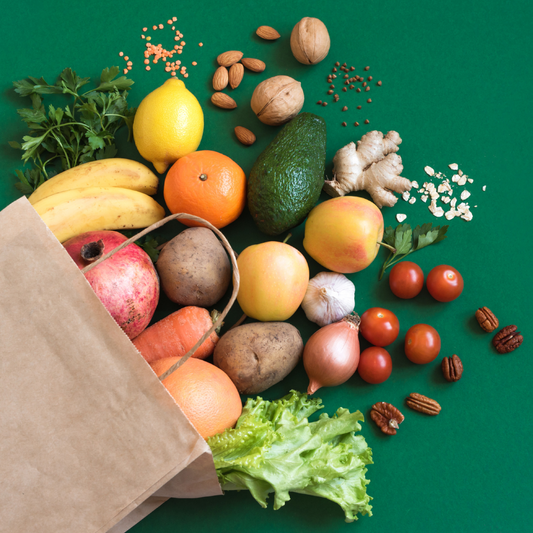
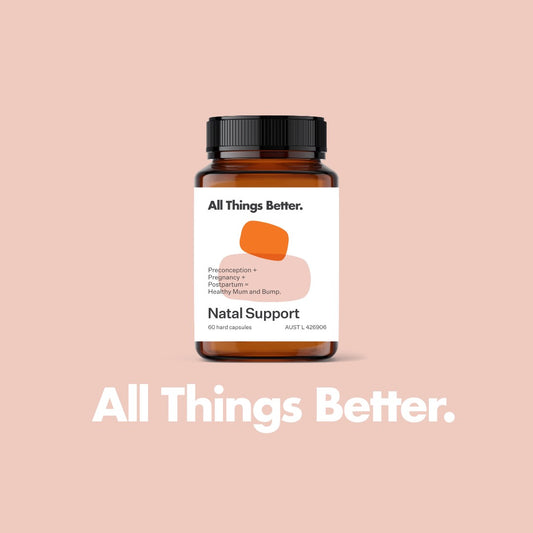
Before conception, it's essential to ensure that both partners are getting the right nutrients to support fertility and a healthy pregnancy. A well-balanced diet that includes a variety of fruits, vegetables, whole grains, and lean proteins provides the necessary vitamins and minerals. Consider incorporating Natal Support into your routine to bridge any nutritional gaps and enhance your preconception care plan.
Prenatal supplementation can enhance ovulation, aid conception and improve your pregnancy outcomes.
Dietary Recommendations for fertility
Here are some core aspects of a nourishing, balanced diet that supports fertility.
Whole foods - Consuming a varied diet consisting of fresh whole foods helps to ensure an adequate intake of the nutrients required for the development of healthy eggs. Limiting your intake of processed and packaged foods and increasing seasonal produce (organic, where possible) ensures a blend of vitamins and minerals for fertility.
Antioxidant-rich foods - Including a variety of antioxidant-rich foods in your diet helps to manage oxidative stress and mitigate its detrimental effects on fertility. Beyond general health, antioxidants have been shown to improve a wide range of conception outcomes including egg quality.
Protein - Protein is essential for every cell. It's required for healthy egg and sperm production, for fertilisation and embryo development. The formation of your baby's organs and muscles also depend on protein. Assessing the quality and source of your protein is important during preconception.
Fats - Including all types of dietary fats before and during your pregnancy is important for hormone balance and energy production of the sperm and eggs. It's also vital for the development of the baby's nervous system, brain and cognitive function.
Adequate Hydration - Ensure you are drinking at least 2L - 2.5L of filtered water per day to improve bowel function, circulation and energy. Herbal tea counts towards your intake. If you drink one coffee or black tea, it takes two glasses of water to break even as far as hydration goes.
Specific Tips for Females
Stress - Life and work stress coupled with the stress of trying to conceive can impact your fertility outcomes. Stress can cause hormone imbalances and disrupt normal ovulation. Implementing stress strategies such as gentle movement, mediation, yoga or journaling can be beneficial in reducing your overall stress levels.
Exercise - Exercise can assist you to reach your weight goals, reduce your stress and enhance your stamina for labour. Exercising prior to conception can also help you maintain a healthy weight during pregnancy and after delivery.
Smoking - Smoking not only contributes to long-term health risks for mother and child but is also one of the biggest contributing factors to infertility. Smoking also increases the risk of miscarriage, premature birth and low birth weight.
Alcohol - Excessive consumption of alcohol can reduce your egg numbers and increase the risk of miscarriage and birth defects. It is recommended you reduce or eliminate alcohol during the preconception period, pregnancy and while breastfeeding.
Caffeine - High consumption of caffeine including coffee, tea and energy drinks, can impact your fertility and increase your risk of miscarriage. Limiting your intake to a maximum of 1-2 cups a day is advised.
Recreational Drugs - Recreational drugs can not only be detrimental to your health but also increase the risk of birth defects.
Toxins - Overexposure to environmental toxins can increase our risk of miscarriage and birth defects. While we can't avoid all toxins, reducing your exposure and taking all safety measures can improve your fertility outcomes.
Specific tips for Males
Stress - Regular stress has been found to reduce semen quality. Practising relaxation activities can be beneficial in helping keep you mentally fit.
Diet & Exercise - Nutrients play an important role in male fertility. For example, zinc deficiency can lead to reduced testosterone levels and semen production. Maintaining a healthy body weight is also important in order to produce quality sperm.
Overheating - Overheating can affect semen production. It is recommended you avoid or reduce the use of hot spas & saunas, tight jeans & synthetic materials.
Smoking - Smoking contributes to long-term health risks and is one of the biggest contributing factors to infertility. Research also shows smoking can reduce sperm quantity & quality.
Alcohol - Excessive consumption of alcohol can make it harder to conceive by affecting sperm quality. It is recommended you reduce or eliminate alcohol during the preconception period.
Caffeine - While caffeine can boost your sperm motility, a high intake of including coffee, tea and energy drinks can decrease your fertility due to sperm DNA damage. Limiting your intake to 1-2 cups a day is recommended.
Recreational Drugs - Recreational drugs can not only be detrimental to your health but also have an impact on sperm quality & quantity, in particular, marijuana.
Toxins - Overexposure to environmental toxins can cause DNA damage to sperm. While we can't avoid all toxins, reducing your exposure & taking all safety measures can improve your fertility outcomes.
Frequency of Ejaculation - Ejaculating regularly can help improve sperm health & motility. To enhance conception, it is advised you ejaculate every two days, especially when your partner is ovulating.
Preconception and Pregnancy increases the demand for many nutrients which is why supplementing with a high quality prenatal supplement like Honest Health Co Natal Support is advised as early as possible in the preconception window.
The Crucial Role of Choline in Preconception, Pregnancy, and Post-Partum Health
As expectant parents embark on the journey of starting a family, the importance of comprehensive prenatal care cannot be overstated. One often-overlooked nutrient that plays a crucial role in preconception, pregnancy, and post-partum health is choline. Despite its significance, choline is frequently underestimated and under-consumed. In this blog post, we will explore the role of choline in supporting optimal maternal and foetal health throughout the various stages of the reproductive journey.Choline: An Essential Nutrient for Every Stage
Preconception:The significance of choline begins even before conception. Studies have shown that adequate choline intake in both men and women before conception may have a positive impact on fertility and the development of the growing foetus. Choline is vital for the formation and proper functioning of cell membranes, including those of the developing neural tube in the early stages of pregnancy.Encouraging couples to include choline-rich foods or supplements in their preconception diet can contribute to a healthier foundation for the future.Pregnancy:As the baby grows within the womb, the demand for choline intensifies. Choline is a key player in brain development, helping to form the neural tube and supporting the growth of the foetal brain and nervous system. It also aids in preventing neural tube defects and may reduce the risk of cognitive disorders later in life.In addition to its role in brain development, choline plays a crucial role in liver health and helps regulate maternal hormones. Ensuring an adequate choline intake during pregnancy is essential for both the mother's well-being and the optimal development of the baby.Post-Partum:The benefits of choline extend beyond pregnancy, making it a vital nutrient during the post-partum period. Choline is essential for lactating mothers as it is a component of breast milk and contributes to the baby's cognitive development.Moreover, adequate choline intake post-partum has been linked to a reduced risk of postpartum depression. Supporting mothers with the right nutrients during this crucial period is paramount for their overall health and the well-being of their newborns.Meeting Choline Needs:Despite its significance, choline is often overlooked in prenatal supplements. Many prenatal support supplements lack sufficient amounts of choline, leaving a gap in the nutritional needs of expectant mothers.Choosing a natal support supplement that includes an appropriate amount of choline is a proactive step towards ensuring comprehensive care. This ensures that both the mother and the developing baby receive the necessary nutrients for optimal health.Conclusion:Choline is a silent hero in the realm of prenatal nutrition, influencing the health and well-being of both mothers and their babies. From preconception to post-partum, this essential nutrient plays a pivotal role in neural development, cognitive function, and overall maternal health.As we continue to learn more about the intricate relationship between nutrition and reproductive health, it's crucial to spread awareness about the importance of choline.
Our Natal Support supplement has your choline requirements covered with 400mg of Choline per dose. You can shop it here.

The Power of Protein: How It Boosts Your Mood and Well-being
In our quest for a balanced and fulfilling life, we often overlook the impact of nutrition on our mental health. While it's common knowledge that a healthy diet is essential for physical well-being, the role of protein in promoting a positive mood is often underestimated. In this blog post, we will explore the importance of protein for mood and delve into the fascinating connection between the foods we consume and our emotional well-being.
The Link Between Protein and Mood
Proteins are the building blocks of life, responsible for numerous vital functions in our bodies. They are not only crucial for physical development and repair but also play a significant role in brain function and mood regulation. Amino acids, the components of proteins, are essential for the synthesis of neurotransmitters, such as serotonin and dopamine, which are directly involved in mood regulation. Serotonin, often referred to as the "feel-good" neurotransmitter, is responsible for promoting feelings of happiness, calmness, and well-being. Protein-rich foods provide the necessary amino acids, such as tryptophan, which is a precursor to serotonin production. Consuming adequate amounts of protein ensures a steady supply of tryptophan, thus supporting healthy serotonin levels (1).
Dopamine, another important neurotransmitter, is associated with motivation, pleasure, and reward. It is synthesized from the amino acid tyrosine, which can be found in protein-rich foods. By consuming protein, we provide our bodies with the necessary amino acids to produce dopamine, which contributes to a positive mood and a sense of overall well-being.
Balancing Blood Sugar Levels
Protein also plays a crucial role in stabilising blood sugar levels. When we consume carbohydrates alone, such as simple sugars or refined grains, they can cause a rapid increase in blood sugar followed by a crash. This blood sugar rollercoaster can lead to mood swings, irritability, and fatigue. However, when protein is consumed in conjunction with carbohydrates, it slows down the absorption of sugar into the bloodstream, providing a more sustained release of energy. This helps to stabilize blood sugar levels, promoting a steady mood and preventing drastic fluctuations in energy and emotions (2).
Satiety and Mental Focus
Including protein in your meals and snacks can also help with satiety and mental focus. Protein-rich foods take longer to digest, keeping you feeling fuller for longer periods. This prevents sudden drops in blood sugar, which can lead to irritability and poor concentration. By maintaining stable energy levels throughout the day, protein contributes to increased mental clarity, alertness, and a positive mindset.
Food sources
To optimise your mood and overall well-being, incorporate a variety of protein-rich foods into your diet. Excellent sources of protein include lean meats, poultry, fish, eggs, legumes, nuts, seeds, and dairy products. For those following a plant-based or vegetarian diet, options such as tofu, tempeh, quinoa, lentils, chickpeas, and nuts and seeds are rich in protein.
When it comes to mental health and well-being, the importance of protein should not be overlooked. Including adequate amounts of protein in your diet can support the production of neurotransmitters, stabilise blood sugar levels, promote satiety, and enhance mental focus. By making conscious choices to incorporate protein-rich foods into your meals and snacks, you can harness the power of protein to boost your mood and improve your overall quality of life.
Remember, a nourished body leads to a nourished mind. Prioritise protein as part of your well-rounded diet, and experience the positive impact it can have on your mood and emotional well-being.
References
1. https://www.ncbi.nlm.nih.gov/pmc/articles/PMC4728667/
2. https://pubmed.ncbi.nlm.nih.gov/9416027/